
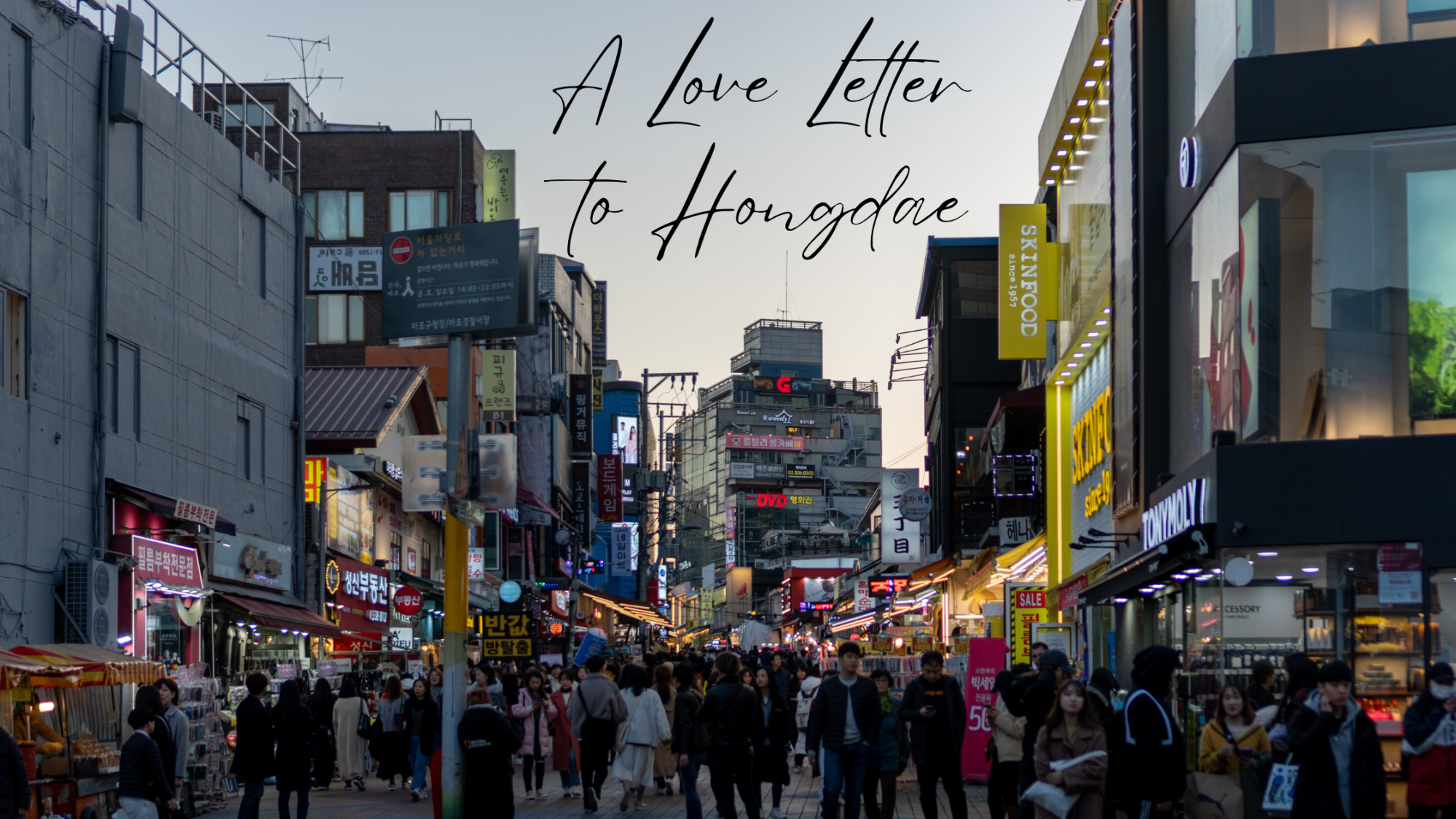
Throughout my three-year period in South Korea, there was one place I loved more than anywhere else – Hongdae.
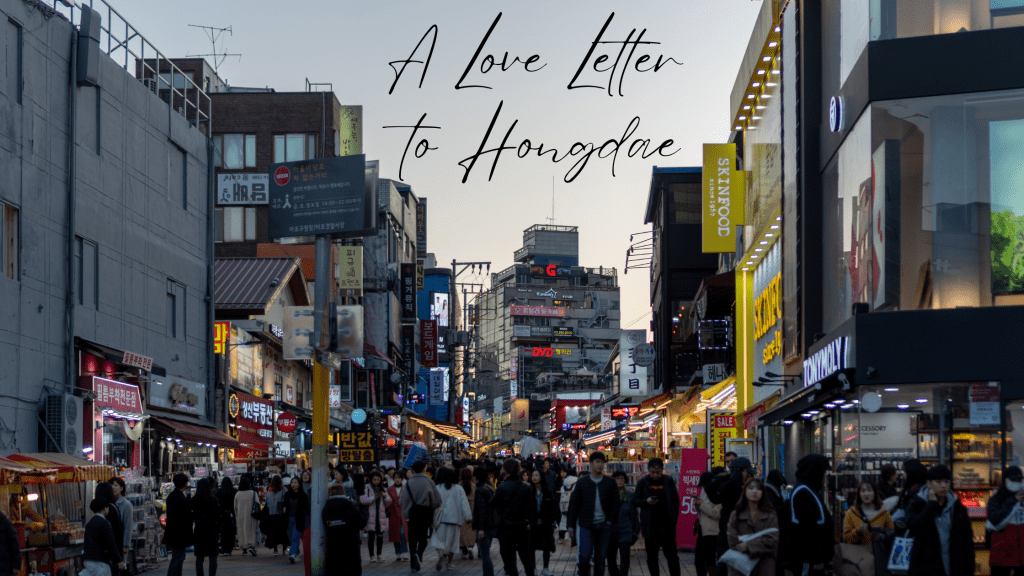
Hongdae is a vibrant neighbourhood in the Korean capital; Seoul, known for its youthful atmosphere, artsy scene, and lively nightlife. The neighbourhood is home to a variety of independent shops, cafes, restaurants, and bars, as well as numerous street art galleries and live music venues. Hongdae is also a popular destination for young people from all over Asia, who come to experience the unique energy and culture.
Hongdae is often second choice for foreigners living in South Korea looking for a good time (Itaewon being the first), but first place for Koreans. However, if you want to experience Korean culture at its best, there isn’t really a choice at all.
The history of Hongdae dates to the early 1950s, when Hongik University moved to its current location in Mapo-gu. In the early days, Hongdae was a relatively quiet area, with mostly student housing and small businesses. However, in the 1990s, it began to transform into a cultural hub.
One of the key factors in Hongdae’s transformation was the relocation of rock cafes to the neighbourhood. In the early 1990s, the city of Seoul placed more regulations on entertainment establishments around university districts. Rock cafes, which operated as a form of entertainment, were forced to move to new locations. Hongdae, with its proximity to universities and less strict regulations, became a popular destination for these music venues.
The influx of rock cafes attracted a new generation of young people to the area. These young people were drawn to the neighborhood’s independent spirit and its vibrant arts scene. It quickly became a center for underground music, fashion, and art.
In the early 2000s, Hongdae began to gain international attention. The neighborhood was often featured in popular Korean dramas and films, and its unique culture began to attract tourists from all over the world.
Hongdae was always the place I’d take visitors. From childhood friends to acquaintances visiting Seoul for a long weekend, to even my sister. It shows South Korea culture, albeit the modern side, at its best.
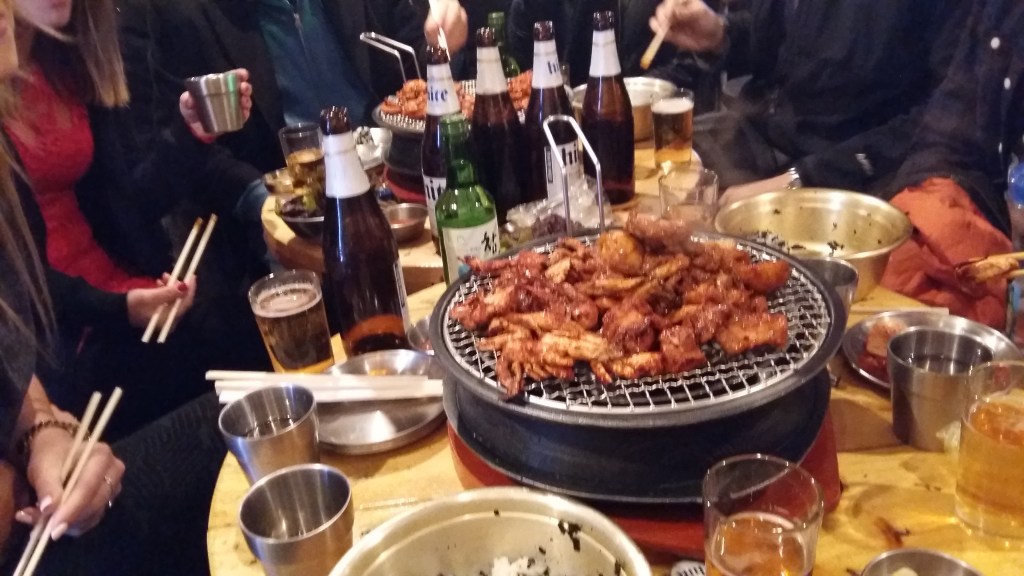

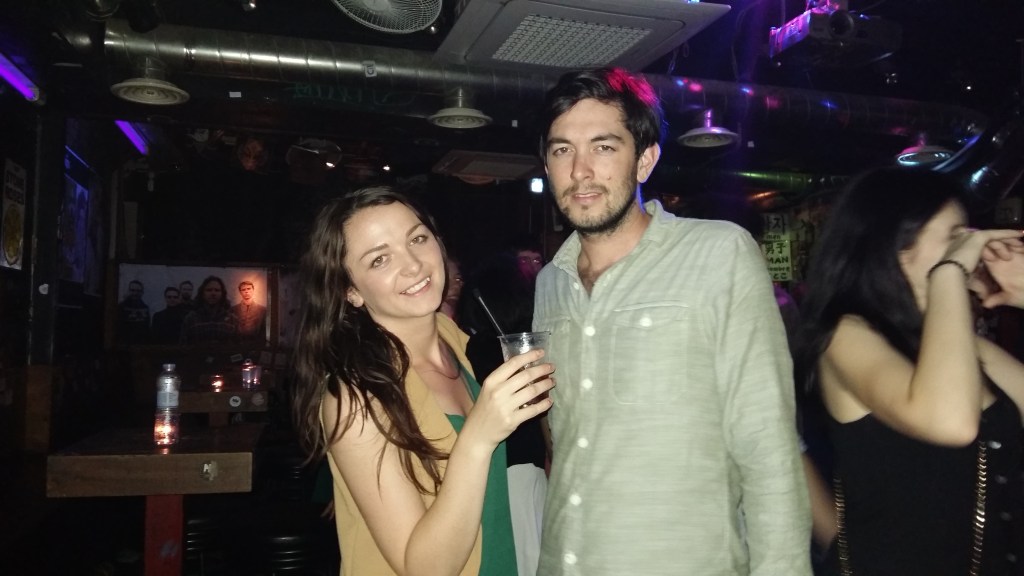
After hours of being a tour guide for a Saturday afternoon showing off the likes Gyeongbokgung palace, one of the 20,000 temples, the neon lit, dynamic Hongdae vibe was a perfect palette cleanser. I’m sure almost a decade on from first exploring Hongdae’s wild streets, as a thirty something, I would not care too much for its unmatched nightlife and party-scene, but I’m sure my love for its layers of character, ever-changing faces and rebel heart would live on.


If you’re visiting South Korea, check out this book!
 tefltravelling