
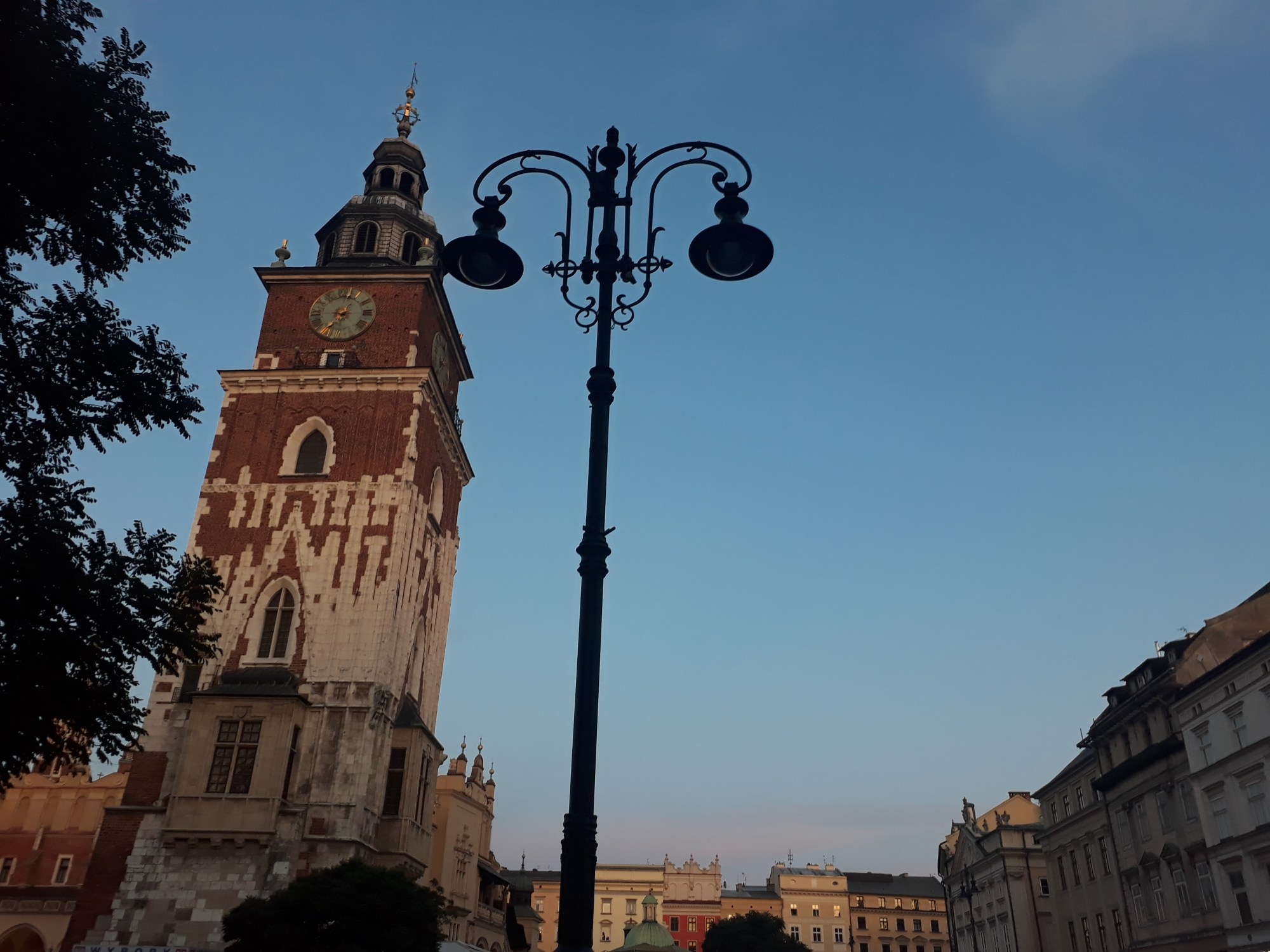
I visited Krakow in 2019 while touring Europe, and it immediately stood out as a city worth taking your time in. Located in southern Poland near the Czech border, Krakow is known for its impressive architecture and deep history, and it’s easy to see why it attracts so many visitors. The city manages to feel lively and vibrant without being overwhelming, with plenty of cafés, restaurants, and cultural sites, all without the heavy price tag of some other European destinations.
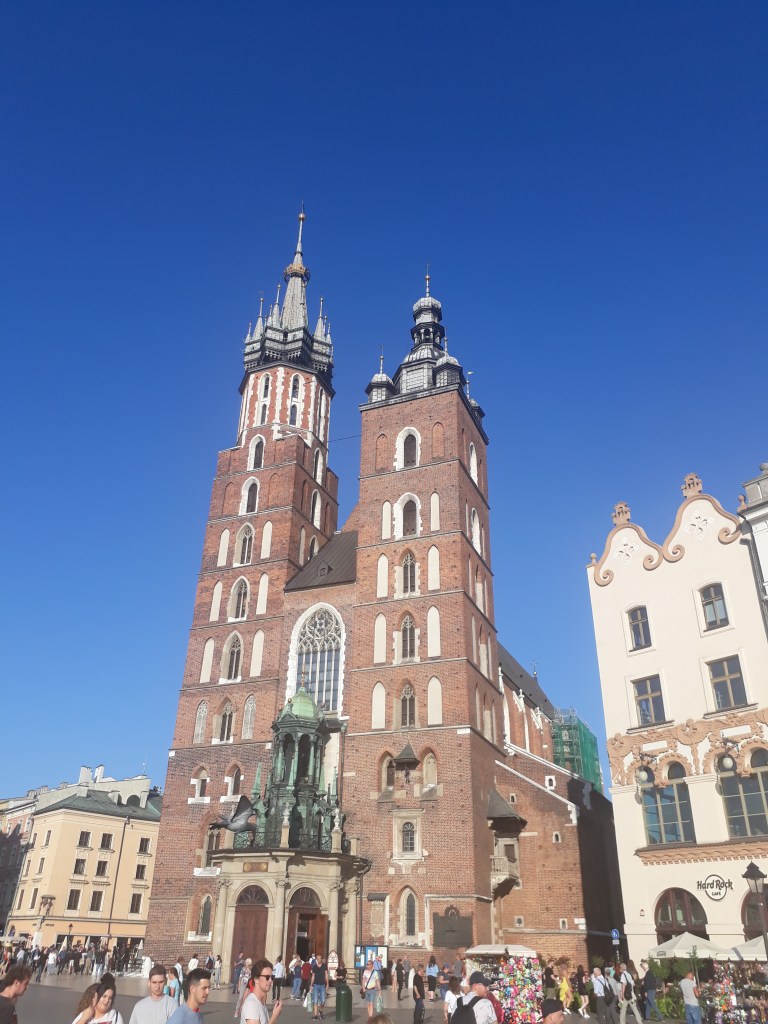
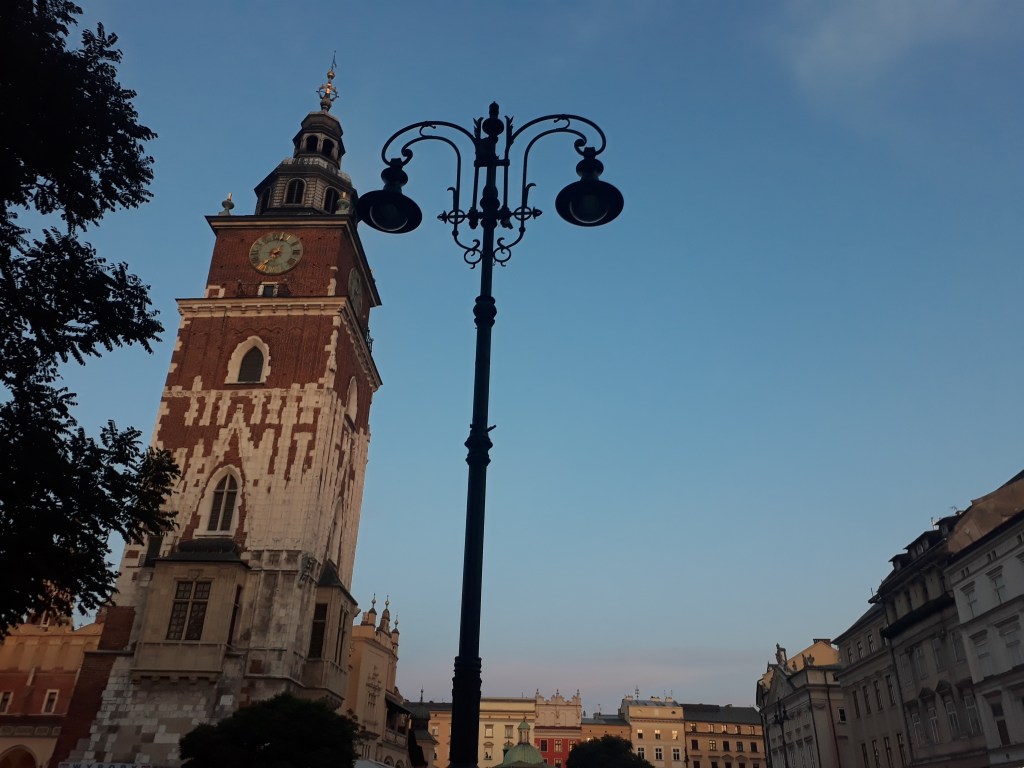
Krakow is one of Poland’s oldest cities, with a history stretching back over a thousand years. It was the country’s capital until 1596, and over the centuries it has witnessed everything from Mongol invasions to royal dynasties and the hardships of World War II. Walking through the streets, you can’t help but feel that sense of history—the cobblestones, the churches, and the castles all carry stories that make the city feel alive in a very tangible way.
I stayed in a small Airbnb just outside the old town, about a ten-minute walk from the main areas, with reliable Wi-Fi so I could get some work done. Staying a little away from the busiest streets turned out to be a good decision: it was quieter, cheaper, and much easier to focus when needed. A week in Krakow gave me enough time to explore the city, relax a little, and still get some work done without feeling rushed.
Krakow has plenty to keep you busy. Rynek Główny, the main town square, is a great starting point, and Wawel Cathedral and the Royal Castle are both worth a visit. The former Jewish district, Kazimierz, offers a different side of the city with its cafés, galleries, and history. And if you’re looking for something a little unusual, Lost Souls Alley is worth a quick detour.
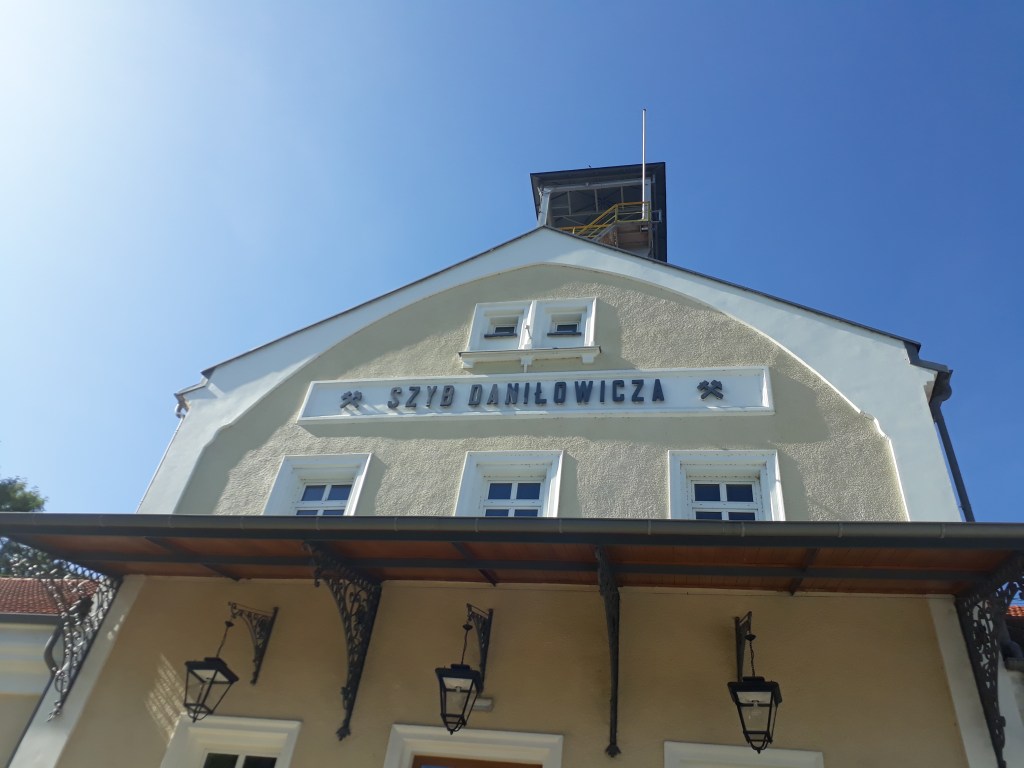
Some of the most memorable experiences, though, are just outside the city. Visiting Auschwitz was a sobering and emotional experience. It’s difficult to describe, but it’s an important part of history that’s hard to forget. On a lighter note, the Wieliczka Salt Mines were unexpectedly impressive. I didn’t expect much going in, but the underground chambers, sculptures, and carvings were fascinating and offered a surprising mix of history and engineering. Both trips are worth making.
Krakow also feels like a city looking forward. Its economy is growing, especially in tech and finance, which is bringing in a diverse workforce, but the city has maintained its charm and character. For visitors, it offers a mix of history, culture, and everyday life that makes it easy to enjoy without rushing from one “must-see” to the next.
In short, Krakow is historic, compact, and welcoming. I left having explored most of the key sites, spent some quiet time in cafés, and walked away with a strong sense of the city’s character—and a few extra pierogi too.
For more travel stories, tips on earning money, and travel insights, check out my eBook!

 tefltravelling